


Biotechnological Services, Clinical Trials & Biomarkers
Artificial Intelligence (AI) is a field of computer science dedicated to creating systems capable of performing tasks that typically require human intelligence. This includes things like reasoning, learning from past experiences, understanding language, and recognizing patterns.
Think of it this way: while traditional software follows a strict “if this, then that” script, AI is designed to process data and make decisions or predictions more dynamically.
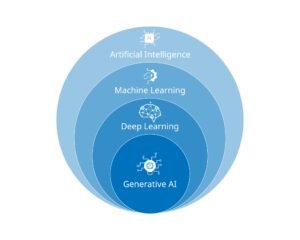
The best way to visualize this is through a “nesting” concept. Machine Learning (ML) is a subset of AI.
AI is the broad vision of machines acting intelligently.
Machine Learning is the specific method used to achieve that vision by training algorithms on large datasets.
This is the “million-dollar question,” and the reality is nuanced. AI is transforming the job market rather than simply erasing it.
Automation: AI is excellent at handling repetitive, data-heavy, or predictable tasks (like data entry or basic customer service).
Augmentation: In most fields, AI acts as a “co-pilot.” It helps doctors diagnose diseases faster or assists coders in writing basic script blocks, allowing humans to focus on high-level strategy and creativity.
New Roles: Just as the internet created jobs like “Social Media Manager,” AI is creating new roles like AI Ethicists, Prompt Engineers, and Data Labelers.
While some displacement is occurring, the historical trend with new technology is that it shifts the type of work humans do rather than eliminating work entirely.
Categorization by Capability
- Narrow AI (Weak AI): Designed for a specific task (e.g., Siri, facial recognition, or Netflix recommendations). This is the only type of AI that currently exists.
- General AI (Strong AI): A theoretical AI that can perform any intellectual task a human can. We aren’t there yet.
- Super AI: A hypothetical level of AI that surpasses human intelligence across all fields.